

Welcome to Chronically Heard
If you’ve ever felt dismissed, talked over, or like you have to fight to be taken seriously, that stops here.
Inclusive, person-centered counselling via teleheath for adults and young people (12 years old and over), offering a safe space to explore chronic illness, life transitions, mental health, addiction and more.

A Counsellor who has been where you are
I am a qualified counsellor (ACA registered) and Youth Worker with over 10 years of experience working in education and community services. My background includes supporting young people, individuals experiencing homelessness, refugees, people seeking asylum, mental health and those in drug and alcohol services.
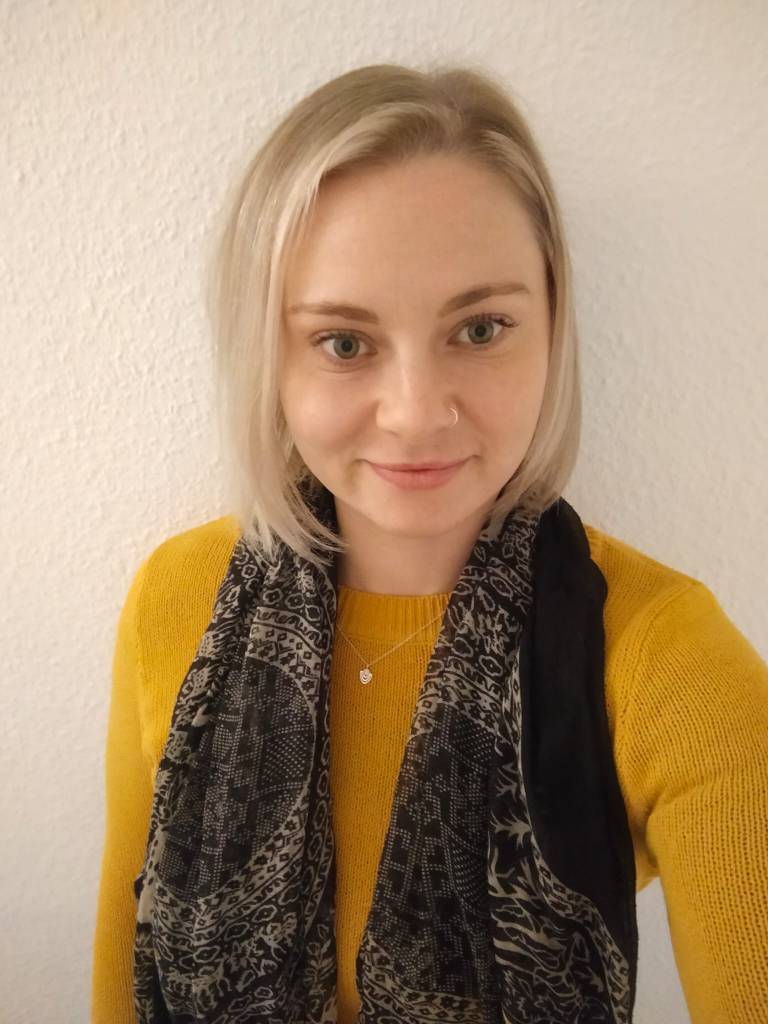
After contracting a virus that resulted in chronic illness, I lost my career, my independence, and connections with people I thought were friends. I had to slowly rebuild both my health and my identity.
Through this, I intimately understand the grief of unchosen life transitions, the loss of freedom, and the isolating nature of chronic conditions. I created Chronically Heard to provide the deeply understanding, affordable support I struggled to find for myself.
I have also come to learn, that it can be even harder for young people and worried parents to find support as many counsellors work with adults only, so I am hoping to bridge this gap 🙂
Living with chronic illness or a major life change is exhausting.
It impacts your identity, your relationships, your independence, and your future. Finding a therapist who understands this, and provides support and suggestions which are sensitive of your current capacity, can feel impossible. At Chronically Heard, your experiences are validated and taken seriously. I can provide support with pacing, boundary setting and how to vocalize your needs and limitations to others, and somatic techniques to help calm your nervous system.

You are the expert in your own life.
My counselling approach is deeply person-centred. This means I work collaboratively with you, rather than directing you. We focus on finding ways forward that feel realistic and meaningful for your life and your energy levels.
How it works
Online & Accessible
All sessions are conducted via secure Telehealth (video or audio-only), meaning you can attend therapy from the comfort of your bed or couch.
Affordable Fees
As a registered ACA counsellor, I strive to keep therapy accessible. General fees are offered on a sliding scale ranging from $80- $135
Free 15-Min Intro
Finding the right fit is important. I offer a free, no-obligation 15-minute phone or video call to see if we work well together.
Areas of Support
Chronic Illness
Navigating grief for the life you imagined, identity changes, and the stress of health systems. A space to openly discuss the emotional impact of illness.
Mental Wellbeing
Support for anxiety, depression, stress, burnout, low self-worth, and establishing boundaries, including neurodiversity- affirming support. We work together to develop coping strategies.
Life Transitions
Major changes can be overwhelming. Counselling to process shifts in life direction, adapting to new environments, or mourning the loss of independence.
Drug & Alcohol
Exploring your relationship with substances using harm reduction and SMART Recovery principles. Familiar with the 12-step model for those choosing abstinence.
Pet Loss
For many, animals are family. When they die, the grief is profound. A safe space to process your loss and honour the bond you shared.
What to expect from our sessions
A Collaborative Space
Sessions are conversations, not lectures. We explore your thoughts together to better understand your emotions and identify patterns.
Accessible & Flexible
I understand that energy levels fluctuate. We work in a way that accommodates your health on any given day, without judgement.
Honest Conversations
We won’t gloss over the hard parts. We create space for grief, anger, and frustration, helping you process these valid emotions.
Ready to find realistic support?
Let’s explore how we can work together. Reach out to book your free 15-minute intro chat.
 Chronically Heard